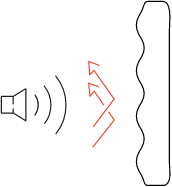
Acoustic panels absorb sound waves to reduce reverberation, preventing sound from bouncing off hard surfaces like walls and ceilings. This helps in managing noise levels, improving speech intelligibility, and providing a more comfortable acoustic environment.
What is NRC (Noise Reduction Coefficient)?
NRC measures the sound absorption properties of a material. An NRC rating of 0.0 means no absorption, while a rating of 1.0 indicates total sound absorption. Most acoustic panels, including PET panels, have NRC ratings ranging from 0.3 to 1.0, depending on material and thickness.
What sizes are available for Non-Woven PET panels?
Panels are available in standard sizes of 2440mm x 1220mm, with custom sizes available on request.
What thicknesses are available?
Thicknesses range from 5mm to 150mm, depending on the acoustic performance and application. What densities are available for PET panels? Panels are available with densities ranging from 1500 GSM to 4000 GSM, offering different levels of impact resistance and sound absorption.
Are acoustic panels effective for all sound frequencies?
Acoustic panels generally absorb mid to high frequencies. For low frequencies (bass sounds), specialized solutions like bass traps or thicker panels may be required.
What are the benefits of using PET acoustic panels?
What are the benefits of using PET acoustic panels?
Not Soundproofing: PET panels absorb sound but do not block it from entering or leaving a space. UniVicoustic offers products that can do more than just sound absorption e.g. Uni-VicStrip that also has reflection and absorption.
Durability: PET panels are durable but can be punctured by sharp objects.
Environmental Conditions: PET panels can absorb and release moisture but are not affected by typical indoor conditions.
UniVicoustic PET panels do not fade under any normal indoor environment.
How do acoustic wall and ceiling solutions affect room aesthetics?
Acoustic panels are available in various colors, textures, and finishes. They can blend seamlessly into the room’s design or be used as decorative elements, offering both functional and aesthetic benefits.
Do Non-Woven Acoustic Panels reduce noise from outside?
Non-Woven Acoustic Panels primarily absorb internal sound rather than blocking external noise. However, when combined with proper insulation, they can contribute to noise reduction.
Are the panels moisture-resistant?
Yes, most Non-Woven Acoustic Panels are resistant to moisture, making them suitable for environments with moderate humidity levels. However, extreme moisture may affect their performance.
How effective are these panels for soundproofing?
Non-Woven Acoustic Panels improve sound absorption within a space but are not entirely soundproof. Additional measures like wall insulation or barriers are required for full soundproofing.
What’s the difference between soundproofing and sound absorption?
Soundproofing (or sound blocking) eliminates external noise, while sound absorption reduces the reverberation of sound waves within a space to enhance speech intelligibility.
How can I identify a low-quality acoustic panel?
Evaluate materials such as foam, fiberglass, rock fiber, or PET for quality. Avoid compressed foam, which is often packaging material sold as acoustic foam. Check reviews and technical specifications, and look for products tested by independent acoustic labs.
Are all budget panels inherently low quality?
Not necessarily. While there may be a correlation between price and quality, reputable brands often provide affordable yet durable options. Assess materials and craftsmanship to make an informed decision.
How often should I replace acoustic panels?
Replacement frequency depends on the material and its quality. Foam panels may degrade faster than those made of PET, rock fiber, or fiberglass, which are more durable.
Can I test an acoustic panel’s sound absorption quality?
Yes, you can test materials by speaking in front of them or using software like Room EQ Wizard with a suitable microphone. Reviewing independent lab test data is the most reliable way to assess sound absorption.
Can the panels be reused or relocated?
Yes, if installed using clips or hooks, the panels can be removed and reused in different locations.
Recycled polyester fiber-made acoustic panels generally have “Moderate UV resistance”
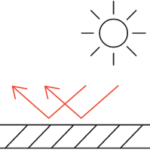
Polyester fibers, including recycled variants, are inherently more UV-resistant than natural fibers like wool or cotton, meaning they are less prone to fading or degrading when exposed to sunlight. However, prolonged or direct exposure to UV rays can still cause some discoloration or weakening over time.
For indoor use with limited sunlight exposure, UV resistance is typically not a major concern.
However, in spaces with significant natural light, opting for panels with additional UV protection may extend their lifespan and appearance. To improve UV resistance, manufacturers often add UV stabilizers or coatings to the panels, especially for outdoor or high-exposure applications. These treatments can help protect the panels from fading, yellowing, or becoming brittle due to UV exposure.
Do PET panels absorb odors?
Polyester fiber-made acoustic panels are generally resistant to absorbing odours. Polyester, being a synthetic material, is less porous than natural fibers like wool or cotton, which makes it less prone to trapping and retaining odours. This property makes polyester acoustic panels a good choice for environments where odour control is important, such as restaurants, kitchens, or public spaces.
However, if the panels are exposed to strong, persistent odour over a long period, they might absorb some smell, though this is typically minimal compared to other materials.
Additionally, polyester panels can often be cleaned or aired out if odour become a concern
What type of sound frequencies do PET panels absorb best?
PET panels are particularly effective at absorbing mid to high-frequency sounds (500 Hz to 4000 Hz), making them ideal for reducing speech-related noise. With proper installation, they can also absorb low-frequency sounds.
How does the air gap affect acoustic performance?
Adding an air gap behind the panel enhances sound absorption, particularly for low-frequency sounds.
With no air gap: NRC values range from 0.45 to 0.70.
With a 50mm air gap: NRC values can reach 0.80 to 0.95.
Can PET panels be used in conjunction with insulation to improve
sound absorption?
Yes, combining Non-Woven PET panels with insulation (such as mineral wool) can further improve sound absorption, especially for low and mid-range frequencies.
How does PET compare to other acoustic materials?
PET panels are more durable, eco-friendly, and moisture-resistant compared to foam or fiberglass materials. They also offer more design flexibility.
Are PET acoustic panels fire-resistant?
Yes, PET panels typically comply with fire safety regulations and have fire ratings suitable for public and commercial spaces.
What is VMT Technology?
VMT (Virtual Material Technology) enhances the aesthetic appeal and acoustic performance of PET panels, offering flexibility in design and sound absorption.
What CNC and laser operations are possible on PET?
PET panels can undergo CNC and laser cutting, which allows for intricate designs and custom modifications without affecting performance.
How consistent is the color of PET acoustic panels?
Base Color of Recycled Fibres: Since the base color of recycled polyester is typically not pure white, the final color of PET panels may vary slightly.
Solution: To achieve better color consistency, manufacturers use color masterbatch or pigment additives, which is a more appropriate technology for recycled PET compared to dyeing the fibers.
Challenges with Recycled Polyester.
Variability in Raw Materials: Recycled PET fibers come from diverse sources (such as plastic bottles), which may result in slight differences in color or transparency. This can affect the final appearance of the panels.
Are PET panels resistant to microorganisms?
Synthetic Nature: Polyester fibers are synthetic and do not serve as a food source for most microorganisms like bacteria or fungi. Unlike natural fibers like wool or cotton, PET does not easily degrade and is less prone to microbial attack.
Antimicrobial Treatments: Some manufacturers may apply antimicrobial treatments or coatings to further enhance the resistance of PET panels to microorganisms.
How do PET panels handle insect resistance?
Non-Organic Material: As polyester fibers are non-organic, insects like termites, ants, or moths, which typically feed on natural materials, are not attracted to PET. This makes PET panels resistant to insect bites and infestations.
Non-Organic Material: As polyester fibers are non-organic, insects like termites, ants, or moths, which typically feed on natural materials, are not attracted to PET. This makes PET panels resistant to insect bites and infestations.
What is a coffered ceiling?
A coffered ceiling features a series of recessed panels in square, rectangular, or octagonal shapes, typically used for aesthetic and acoustic purposes.
Do you make custom-sized panels?
What are the largest panels you can make?
Yes, we can manufacture panels in almost any size or shape, up to 9’x4’. For panels larger than 48”x24”, shipping may require LTL (less-than-truckload) freight services.
Are these panels stackable?
Yes, the acoustic panels are stackable. The acoustic core holds pins and tacks without damage, and the fabric used often has self-healing properties. However, excessive paper coverage on the panels may reduce sound absorption efficiency.
Is there a recommended spacing between panels?
No specific spacing is required as long as the minimum recommended acoustic coverage is achieved.
Tip: Always ensure the mounting surface is clean and dry before installation.
What is the recommended panel thickness for optimal sound absorption?
Panel thickness typically ranges from 10mm to 50mm. Thicker panels are more effective at absorbing low-frequency sound, while thinner panels are ideal for higher frequencies.
What are the typical installation methods for PET panels?
Commercial spaces: Wall-mounted panels with adhesive or frame systems.
Public spaces: Suspended baffles or ceiling clouds for open areas.
Auditoriums and convention centers: Large, customized panels with higher NRC ratings and additional insulation for superior sound control.
Can Non-Woven PET panels be installed outdoors?
PET panels are typically designed for indoor use. However, special waterproof finishes and treatments can be applied for semi-outdoor applications, such as covered areas or outdoor conference rooms.
What is the expected lifespan of Non-Woven PET panels?
With proper care, PET panels can last 10-15 years or longer. Their durability against impact, mold, and mildew ensures a long service life in most environments.
Are the panels resistant to UV rays and color fading?
Yes, PET panels are available with UV-resistant finishes to prevent color fading, especially when exposed to direct sunlight in open or brightly lit spaces.
How do I clean Non-Woven PET panels?
Panels can be cleaned using a soft cloth or vacuum. For stains, a mild detergent can be applied with a damp cloth. Avoid using abrasive cleaners or solvents that could damage the surface.
Are the panels stain-resistant?
PET panels offer basic stain resistance, particularly in textured finishes. Additional coatings can be applied during production for enhanced stain resistance.
Residential spaces like living rooms and home offices
Are acoustic panels suitable for both walls and ceilings?
Yes, acoustic solutions are available for both walls and ceilings. Ceiling panels (like baffles or ceiling clouds) help manage sound from all directions, while wall panels target specific reflection points to control reverberation and echo.
Can acoustic panels be used in large, open spaces?
Yes, acoustic panels can be effective in large spaces like halls, auditoriums, and malls, where controlling sound reflection and noise is crucial.
Can PET acoustic panels be used outdoors?
Most PET panels are not UV-resistant and may degrade when exposed to elements. Always check the manufacturer’s specifications for outdoor suitability.
How effective are PET panels in large open spaces like malls and
convention centers?
PET panels can significantly reduce reverberation and improve speech clarity in large, noisy environments like malls, airports, and convention centers. They are often installed as ceiling clouds or wall panels.
Are PET panels suitable for auditoriums and theaters?
Yes, PET panels are ideal for auditoriums and theaters. They can be used in combination with air gaps and insulation to achieve superior sound absorption across a wide frequency range.
Can PET panels be used in industrial spaces or factories?
Yes, PET panels can help reduce machine noise and reverberation, improving the working environment in industrial spaces. They should be installed with appropriate air gaps and backing insulation for maximum performance.
What’s the difference between an acoustic panel and an acoustic
baffle?
Acoustic panels are used on walls, ceilings, or as space dividers, while acoustic baffles are specifically designed to hang from the ceiling. Both serve to reduce unwanted sound when used appropriately.
Do you make baffle panels (fabric on both sides) for hanging from
the ceiling?
No, we currently do not manufacture baffle panels.
Many acoustic panels, such as PET panels, are made from recycled materials like plastic bottles, making them an eco-friendly option. They are fully recyclable and contribute to reducing environmental waste.
Are acoustic panels fire-resistant?
Yes, most acoustic panels meet fire safety regulations and have a fire-resistant rating, ensuring safe use in public and commercial spaces. Always check specific fire ratings for compliance.
Are acoustic panels safe for indoor use?
Yes, most acoustic panels are non-toxic, odorless, and do not release harmful fibers into the air, ensuring a safe and healthy environment.
UniVicoustic PET panels comes with various certifications to confirm that they are absolutely safe for usage during their life cycle. (See the list of test certifications)
Can acoustic panels be used in high-humidity areas?
Yes, some acoustic panels are moisture-resistant and suitable for high-humidity areas like bathrooms or kitchens. PET panels, for example, do not absorb water and can be used in such environments.
Are PET panels environmentally friendly?
Yes, PET panels are made from up to 70% recycled polyester and are fully recyclable at the end of their life cycle.
What environmental certifications do the panels carry?
Yes, PET panels meet Class A fire ratings under ASTM E84, ensuring they meet safety standards for commercial and public spaces.
Are the panels safe for indoor use?
Yes, they are free from harmful chemicals and are often certified for low formaldehyde emissions, making them safe for indoor environments.
How do VOCs impact health?
High levels of VOCs can degrade indoor air quality and lead to respiratory issues and allergies. PET panels are a safer choice for minimizing VOC emissions.
Yes, many manufacturers offer customization options for acoustic panels, including size, shape, color, and finish. You can also opt for CNC or laser-cut designs for intricate patterns.
Can acoustic panels be painted or modified?
Some acoustic panels, particularly fabric-covered ones, can be painted with non-toxic, water-based paints. However, it’s important to ensure that painting does not impact their acoustic properties.
Are there any minimum order quantities (MOQs) for custom orders?
Yes, MOQs vary based on the level of customization. For custom sizes or prints, the MOQ is typically 50 sheets, but this can vary based on the project’s requirements.
What is the lead time for standard PET panels?
For standard sizes and colors, the lead time is typically 2-3 weeks.
What is the lead time for custom products?
For custom sizes, colors, and finishes, lead times vary from 4-6 weeks, depending on the complexity of the order.
What customization options are available for Non-Woven PET panels?
Customization options include:
Sizes: Panels can be cut to sizes ranging from standard sheets (2440mm x 1220mm) to custom dimensions.
Thicknesses: Available in 5mm to 150mm.
Shapes: Custom shapes and patterns can be designed to fit architectural needs.
Colors: A wide range of colors from international and local palettes, with options for custom color matching.
Finishes: Options include smooth, embossed textures, gradient prints, and realistic prints (wood, stone, nature).
Can PET panels be printed with custom designs or logos?
Yes, through Design Transfer Technology (DTT), panels can be printed with custom designs, logos, or patterns, including high-resolution imagery.
Are there acoustic solutions for ceilings beyond traditional panels?
Yes, acoustic baffles, clouds, and tiles are common ceiling solutions. These can be hung from the ceiling to absorb sound and create an aesthetically pleasing design feature.
What types of acoustic products are available for walls and ceilings?
Flat Panels VMT
Flat Panel PET
Fluted Panels
Acoustic Baffles
Ceiling Baffles
Acoustic Wallpapers (like VicWallpaper)
3D Shapes (e.g., Uni-VicShape Duo)
Customized solutions with CNC or laser-cut designs
Does your company offer acoustic design services?
Yes, many manufacturers and providers offer acoustic design consultation to help you determine the most suitable solution for your space, considering its size, shape, and existing noise levels
Can I get samples or mockups before purchase?
Yes, most manufacturers provide sample panels or create mockups for design approvals before final production.
Do you make custom-sized panels?
Yes, panels can be customized in size and shape to fit your requirements. Subject to project MOQ.
VMT (Virtual Material Technology) is a patented solution that allows acoustic panels to replicate the appearance of various materials while maintaining high acoustic performance. It combines visual aesthetics with effective sound absorption.
What solutions are available for soundproofing?
While acoustic panels primarily absorb sound, there are specialized solutions like Uni-VicStrip and Uni-VicShape 3D that offer both absorption and reflection. These are ideal for environments where soundproofing is also required.
What is the manufacturer’s warranty on Non-Woven PET panels?
UniVicoustic offers a 10-year manufacturer’s warranty covering structural integrity, acoustic performance, and color fastness.
Are there any guarantees on finishes, colors, or UV resistance?
Yes, a 5-year guarantee is provided for finishes and UV resistance, ensuring that panels will not fade or degrade under normal indoor use.
What about warranties on custom designs and printed panels?
Custom designs and printed panels are covered under the same 5-year warranty for color fastness and design integrity, provided they are used in indoor environments.
PET acoustic panels are sound-absorbing panels made from recycled PET fibers. They are designed to improve sound quality by reducing echo and noise levels in various environments.
Why is acoustic treatment necessary?
Acoustic treatment is essential in spaces where sound control is required to minimize noise distractions, reduce echo, and improve clarity for speech, music, or other activities. It enhances the overall comfort and usability of a space.
What materials are used in acoustic wall and ceiling panels?
Common materials include polyester (PET) fibers, foam, fiberglass, fabric-covered panels, and wood-based products. PET acoustic panels are particularly popular due to their eco-friendliness, ease of installation, and excellent acoustic properties.
What are acoustic wall and ceiling solutions?
Acoustic wall and ceiling solutions are designed to manage sound within a space, reducing noise levels, echo, and reverberation. These solutions enhance speech clarity and improve overall acoustic comfort in environments such as offices, auditoriums, restaurants, and more.
Are PET acoustic panels safe for indoor use?
Yes, PET panels are non-toxic, odorless, and safe for indoor use. They do not release fibers into the air, ensuring a healthy environment. UniVicoustic offers certified safe PET panels.
What is the difference between a soundproofing and sound
absorption panel?
Soundproofing eliminates noise from external sources, while sound absorption improves acoustics within a space by reducing reverberation.
Are acoustic panels moisture-resistant?
Yes, they are resistant to moderate levels of moisture but may be affected by extreme humidity.
Do these panels reduce noise from outside?
They are designed to absorb internal sound, not block external noise.
Pricing depends on factors such as size, thickness, customization (designs, patterns, colors), quantity, and additional features like fire resistance or printing.
Do they come with a warranty?
Most manufacturers offer warranties ranging from 5 to 10 years, depending on the product and its usage conditions.